
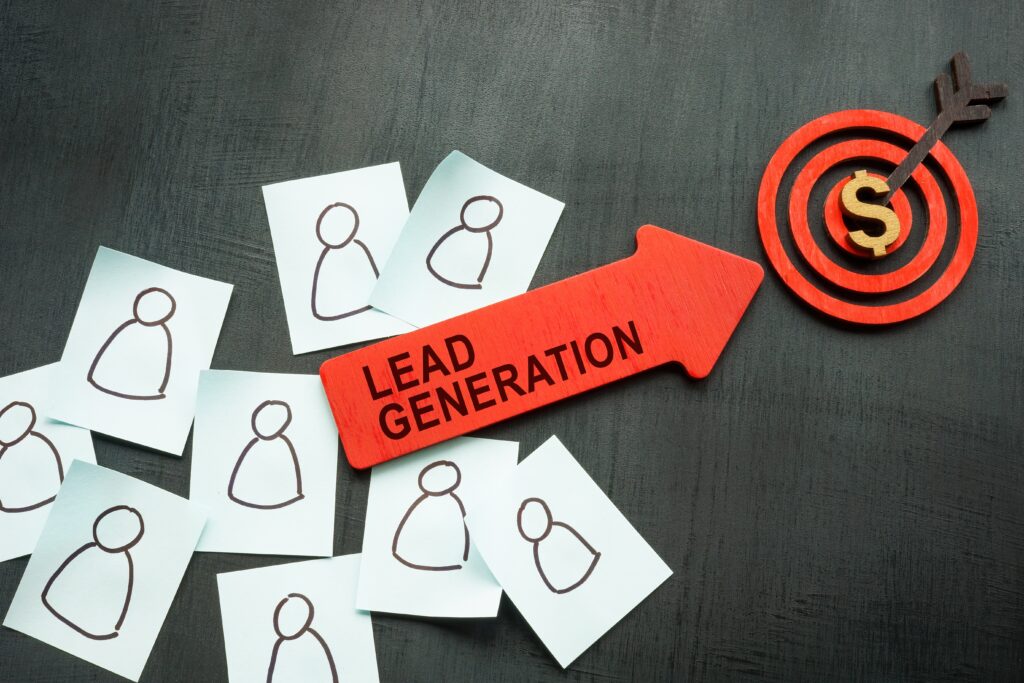
Capturing the attention of potential customers now entails more than just a strong online presence. While digital marketing continues to play a big role, businesses should not overlook the opportunities found in physical, high-traffic locations. Shopping malls, transportation hubs, trade shows, parks, and other busy environments provide prime conditions for connecting with a diverse audience. Implementing effective lead generation strategies in these spaces allows businesses to convert casual passersby into warm leads, and eventually, into loyal customers.
This article will explore proven approaches that businesses can apply in public environments. It will examine how companies can stand out, earn attention, and gather valuable information while respecting privacy and building authentic relationships.
Why Public Spaces Are Ideal for Local Lead Generation
Public spaces are unique because they combine scale, diversity, and immediacy. Unlike targeted online ads, where visibility depends on algorithms and bidding systems, busy environments guarantee a steady flow of potential prospects.
- Foot Traffic Equals Visibility: Whether in an airport or a city plaza, thousands of people pass through these areas daily. Even a small percentage of engagement can generate some of the most meaningful results.
- Face-to-Face Interactions Build Trust: People are likelier to engage with brands in real-world settings where they can ask questions and see products or services firsthand.
- Opportunities for Experiential Marketing: High-traffic areas offer room for creative, immersive experiences that leave lasting impressions, making it easier to capture leads.
- Diverse Demographics: Public settings often expose businesses to varied age groups, backgrounds, and interests, which expands the potential customer base.
Setting Goals Before Executing Strategies
Before deploying any method, businesses must clearly define what they hope to achieve. Common objectives may include:
- Collecting contact information for future marketing campaigns.
- Raising brand awareness within a specific geographic area.
- Driving traffic to physical stores or online platforms.
- Testing new products and gauging consumer interest.
Clear goals help determine the most appropriate strategies and how success will be measured. For example, interactive displays and giveaways may be more effective than direct sales pitches if the goal is awareness rather than immediate conversions.
Experiential Marketing as a Lead Magnet
Creating Memorable Experiences
Experiential marketing flourishes in public spaces because it encourages active participation. Instead of simply handing out flyers, brands can create experiences that engage multiple senses. A cosmetics company might set up a “mini beauty lounge” in a shopping mall where visitors receive quick makeovers. Participants can be encouraged to register with their email or phone number to receive photos, exclusive discounts, or follow-up recommendations.
Gamification Techniques
Adding a competitive or playful element increases engagement. For instance, a fitness brand could host a challenge such as a step competition using wearable trackers. Participants sign up with their information to enter the contest, creating a natural pathway to lead capture.
Branded Photo Opportunities
Photo booths, branded murals, or augmented reality experiences encourage visitors to snap pictures. Businesses can extend reach while building contact lists by tying access to email registration or social media tags.
Strategic Use of Giveaways and Incentives
Free Samples with a Twist
Handing out free items in public spaces is common, but attaching a small barrier ensures better quality leads. For example, rather than offering samples to everyone, businesses can ask people to scan a QR code or provide contact details in exchange for a free product.
Sweepstakes and Contests
High-traffic environments are perfect for contests that promise attractive prizes. A tech company might place digital kiosks in a transit station, allowing travelers to enter a drawing for headphones or gadgets by submitting their email addresses.
Loyalty Incentives
Brands can reward people for engaging beyond the first interaction. A coffee chain might hand out cards that encourage customers to register online for a free drink on their next visit. This approach not only collects data but also drives repeat traffic.
Leveraging Technology in Public Spaces
QR Codes and NFC Tags
Quick Response (QR) codes and Near Field Communication (NFC) tags bridge the physical and digital. A simple poster in a subway station can lead to a sign-up form, landing page, or exclusive digital offer when scanned. NFC-enabled stickers on kiosks or promotional items make the process even more seamless.
Interactive Kiosks and Touchscreens
Public installations equipped with interactive features attract attention and encourage participation. For instance, a travel agency could set up a digital screen where people can explore destinations and input their contact details to receive tailored vacation packages.
Mobile Integration
Businesses can encourage people to join text message campaigns by offering immediate value. For example, “Text DEAL to 55555 for an instant coupon” works well in high-traffic areas where individuals may not want to stop for lengthy interactions.
Partnerships with Public Venues
Shopping malls, universities, airports, and stadiums often welcome branded activations because they enhance the visitor experience.
Exclusive Booths or Pop-Ups
Pop-up shops inside busy environments allow businesses to showcase products while building mailing lists. Signing up can unlock discounts that are redeemable on the spot.
Sponsorships
Sponsoring concerts, fairs, or sporting events often comes with lead-capture opportunities such as sponsored Wi-Fi portals where attendees must provide details before connecting.
Co-Branding Opportunities
Partnering with complementary brands reduces costs while doubling exposure. A fitness brand teaming with a smoothie company for a joint booth could capture leads from both audiences.
Data Capture with Respect for Privacy
Consumers are increasingly cautious about how their data is used. Ethical lead generation must prioritize transparency.
- Clear Value Exchange: People should always understand what they gain in return for sharing information, whether it’s discounts, content, or prizes.
- Easy Opt-In and Opt-Out: Providing simple opt-out mechanisms builds trust and prevents negative brand associations.
- Compliance with Regulations: Businesses must ensure strategies comply with GDPR, CCPA, or other applicable laws governing data privacy and consent.
Examples of Industry Applications
Retail Brands
Fashion retailers can place interactive mirrors in malls, allowing visitors to try on digital outfits. Customers submit their emails to save their virtual look, converting curiosity into leads.
Food and Beverage Companies
Pop-up tasting stations in busy city centers can capture interest. Visitors who sign up for loyalty programs receive coupons for future purchases.
Technology Companies
Gadget brands often succeed with demo booths in airports, where bored travelers are willing to test devices. Registration for product updates ensures follow-up contact.
Educational Institutions
Universities or training academies attending fairs can use tablets to collect sign-ups for brochures, scholarships, or program updates.
Measuring the Effectiveness of Public-Space Campaigns
Tracking results is key to refining future strategies. Metrics may include:
- Number of leads captured per day or per event.
- Conversion rate from lead to customer.
- Engagement levels with interactive installations.
- Social media mentions and hashtags connected to campaigns.
- Return on investment compared to campaign costs.
Businesses should also assess qualitative outcomes, such as brand sentiment, customer feedback, and partnership value.
Best Practices to Consider
- Prioritize Engagement Over Volume: Quality matters more than sheer numbers. Focus on attracting leads genuinely interested in your offerings.
- Train Staff for Approachability: Employees working in public spaces must be friendly, approachable, and skilled at guiding conversations naturally toward sign-ups.
- Design for Accessibility: Interactive setups should be intuitive, ensuring that even those unfamiliar with technology can participate.
- Test and Adapt Quickly: Pilot campaigns in smaller venues to gather insights before expanding to larger or multiple locations.
Main Takeaway
High-traffic environments will always pose challenges, but brands that approach them strategically can transform casual encounters into lasting customer relationships. The possibilities are vast, from experiential booths and gamified contests to mobile-driven engagement. The best outcomes lie in offering genuine value, respecting privacy, and continuously measuring outcomes to refine future campaigns.
Lead Generation Made Easy
Do you want to learn how to get more leads? Our team at DTI Promotions can create customized, high-impact campaigns that capture attention in even the busiest public spaces. From branded activations and interactive experiences to seamless digital sign-ups, we design strategies that attract prospects and convert them into loyal customers. Let us help you turn foot traffic into measurable business growth with personalized lead generation approaches.
Contact us today to start building your next successful campaign.