
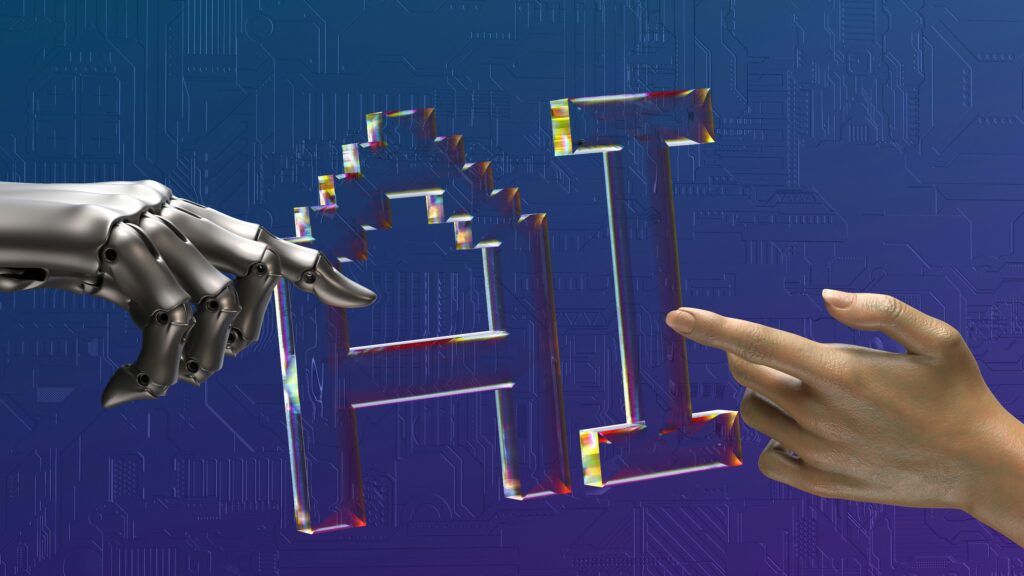
Artificial intelligence is changing the way businesses approach nearly every department, and the marketing field is no exception. Automated tools now handle everything from programmatic ad buying to AI-generated content, and machine learning is reshaping consumer segmentation and predictive analytics as we know them. However, despite these sweeping advancements, not all aspects of marketing can or should be delegated to machines.
Some marketing jobs still demand human qualities: empathy, storytelling, creative intuition, cultural awareness, and relationship-building. These skills are integral to creating messages that resonate, building trust, and developing long-term customer loyalty.
This article will explore the different types of marketing roles that not only remain relevant but also flourish because of the irreplaceable human touch.
The Rise of AI in Marketing: What Can Be Automated?
- Email Automation: AI helps segment audiences, personalize subject lines, and time email deliveries for maximum open rates.
- Content Generation: Tools like ChatGPT and Jasper can generate blog drafts, product descriptions, and social media posts in seconds.
- Ad Optimization: Algorithms now automatically adjust bids and placements based on real-time performance data.
- Customer Insights: AI sifts through mountains of data to identify patterns, predict behaviors, and provide dashboards for decision-makers.
These efficiencies save time and money, but if overrelied upon, they can also create uniformity, superficiality, and a sense of detachment in brand communication.
Why the Human Touch Still Matters
The most sophisticated AI cannot fully replicate human emotions, creativity, or ethical judgment. It lacks the ability to intuitively connect with people, understand cultural nuances, or respond empathetically to unpredictable situations. These gaps are evident in areas such as brand identity, customer engagement, and crisis management.
Although AI can write a grammatically correct headline or email, only a human can gauge how a customer feels reading it. The ideal marketing career path anyone can pursue today usually recognizes this emotional element as irreplaceable.
1. Brand Strategist
Why It Still Needs Humans:
A brand strategist defines a company’s voice, values, and visual identity, which are deeply rooted in culture, psychology, and storytelling. AI can analyze brand sentiment and suggest adjustments, but it cannot conceive an identity that feels authentic and emotionally resonant.
Key Human-Driven Skills:
- Narrative development
- Audience empathy
- Competitive positioning
- Cross-cultural understanding
Real-World Example:
When Dove launched its “Real Beauty” campaign, it came from human insight about women’s struggles with body image and a deliberate decision to challenge beauty stereotypes.
2. Creative Director
Why It Still Needs Humans:
AI might generate layout templates and remix brand assets, but it can’t walk through a crowd or read body language. A creative director can design real-world activations that resonate immediately. Whether a pop-up experience or branded merchandise, the emotional intelligence required to predict and influence live audience reactions is distinctively human.
Key Human-Driven Skills:
- Physical campaign design
- In-person experience mapping
- Visual storytelling with real-time feedback loops
- Cultural literacy tied to local demographics
Real-World Example:
Campaigns like Red Bull’s experiential marketing events thrive on visceral, in-the-moment brand impact. A creative director must choreograph each element—sound, visuals, energy—to captivate an audience that’s physically present, not just digitally engaged.
3. Community Manager
Why It Still Needs Humans:
Community managers in direct sales environments create personal bonds, manage live product demos, and navigate spontaneous feedback—none of which AI can replicate effectively. Tone, timing, and authenticity matter far more when you’re interacting in real-time, with real people.
Key Human-Driven Skills:
- Empathetic, on-the-spot communication
- Real-time conflict resolution
- Reading non-verbal cues
- Humor and charm that don’t feel scripted
Real-World Example:
At events like Comic-Con or local brand expos, some of the most successful community managers know how to engage passersby in meaningful conversations, diffuse complaints, and convert interest into purchases without relying on a script.
4. Marketing Specialists
Yes, AI can churn out generic content, but it can’t adapt language and tone based on a buyer’s body language or objections mid-pitch. In direct marketing and face-to-face sales, content isn’t just what’s on a screen—it’s the story you tell verbally, on the spot.
Key Human-Driven Skills:
- Storytelling adapted to live interactions
- Message testing and on-the-fly revision
- Strategic alignment with spoken sales scripts
- Emotional intelligence for high-stakes messaging
Real-World Example:
Consider Apple store specialists, who use content like product demos and customer stories to guide buying decisions. That content is responsive, human, and built for real-time delivery.
5. Experiential Marketing Manager
Why It Still Needs Humans:
Experiential marketing involves live events, pop-ups, and sensory engagements that create strong emotional connections. These experiences rely on physical space, human interaction, and cultural timing, far beyond what AI can script.
Key Human-Driven Skills:
- Event design and logistics
- Emotional engagement strategy
- Crowd dynamics management
- Surprise and delight execution
Real-World Example:
Red Bull’s extreme sports events or Google’s pop-up tech installations thrive because they create unique, immersive experiences—a feat that can’t be replicated by data models alone.
6. Public Relations Specialist
Why It Still Needs Humans:
Public relations demands nuance, timing, and emotional intelligence, especially during crises. AI can flag negative sentiment but cannot deliver a heartfelt apology, mediate tension with journalists, or predict how a press release might be interpreted in a volatile social context.
Key Human-Driven Skills:
- Crisis communication
- Media relationship management
- Message framing
- Reputation strategy
Real-World Example:
The tone of the CEO’s statement after a company data breach can make or break public trust. A human PR specialist ensures that the message is sound, transparent, and remorseful.
7. Market Research Analyst
Why It Still Needs Humans:
AI can compile and analyze consumer data, but it cannot always interpret why a trend is occurring or what cultural undercurrents are influencing behavior. Here is where human analysts come in to connect the dots between data and meaning.
Key Human-Driven Skills:
- Hypothesis testing
- Focus group facilitation
- Consumer psychology
- Strategic recommendation writing
Real-World Example:
An analyst might be able to observe that Gen Z buyers prefer authenticity over polish, not from numbers alone, but from in-depth interviews and cultural awareness. That insight can shift brand direction in a way AI alone would miss.
8. Account Executive or Client Manager
Why It Still Needs Humans:
Clients don’t hire agencies just for deliverables. They also hire people they trust. Human account managers offer reassurance, deal with complex personalities, and build rapport over time. In short, these soft skills cannot be automated.
Key Human-Driven Skills:
- Relationship-building
- Emotional intelligence
- Strategic upselling
- Custom communication
Real-World Example:
Winning a long-term client contract often hinges on how well the AE understands the client’s goals—not just the data but also their personal ambitions, constraints, and fears.
9. Face-to-Face Researcher
Why It Still Needs Humans:
Algorithms can never fully replicate personal interaction and emotional connection. Subtle cues like a furrowed brow, hesitation before responding, or even physical distance from a product display tell a deeper story—one only a human can interpret in real time.
Key Human-Driven Skills:
- Live, empathic interviewing in consumer environments
- Real-time behavioral observation in field settings
- In-person usability and product demonstration testing
- Adaptive communication based on nonverbal cues
- Contextual insight gathering from spontaneous conversations
Real-World Example:
Imagine you’re promoting a wellness tracker at a pop-up event. A field marketing researcher notices several older adults squint at the device’s small icons and hesitate before tapping. Rather than relying on digital engagement metrics, the researcher does informal, face-to-face interviews on the spot, which uncovers a consistent need for visual accessibility.
10. Marketing Ethics Officer
Why It Still Needs Humans:
As marketing technology grows more powerful, ethical considerations become more complex. AI has no moral compass; it follows orders. Humans must step in to ensure campaigns respect privacy, avoid manipulation, and promote social good.
Key Human-Driven Skills:
- Ethical reasoning
- Policy development
- Social impact analysis
- Transparency advocacy
Real-World Example:
When designing targeted ads, a marketing ethics officer ensures sensitive topics like mental health or addiction aren’t exploited for profit—a judgment call only a human can make.
The Future of Marketing Is Hybrid
Rather than choosing between humans and machines, the most effective marketing teams will combine both. AI handles high-volume, low-judgment tasks—like data processing and optimization—while humans focus on strategy, creativity, and empathy.
This hybrid model allows marketers to do more with less while ensuring that brand experiences remain human-centric. For example:
- An AI might generate five headline variants, but a human selects the one that aligns best with audience emotion.
- AI identifies a trend, but a strategist determines how the brand should respond based on values and tone.
- A machine personalizes emails, but a human creates the campaign concept that customers remember.
Key Skills That Will Keep You Relevant
As marketing evolves, professionals must evolve with it.
- Emotional intelligence: The ability to read, respond to, and influence others
- Cultural awareness: Sensitivity to trends, traditions, and shifting social norms
- Creative storytelling: Crafting compelling narratives from abstract ideas
- Strategic thinking: Connecting short-term tactics to long-term brand vision
- Ethical judgment: Ensuring marketing contributes positively to society
Investing in these areas makes you irreplaceable, even in the face of automation.
Main Takeaway
Despite the rise of automation, some marketing jobs will always require a touch of humanity. These roles depend on empathy, imagination, and judgment—skills that AI can never provide. As more businesses find ways to be more innovative, the most successful brands will be those that remember this simple truth: while data drives decisions, humans drive connection.
We Put People First
DTI Promotions is the best place to start a career in marketing if you’re passionate about real, human interaction. Whether you’re building brand awareness through face-to-face conversations or learning how to create emotional impact through strategic campaigns, our company equips you with the tools and mentorship needed to succeed.
Join a team that values the human touch in every marketing move.